New Scam in the Home Inspection Industry? How Your Inspection Report Could Be Used to Raise Insurance Costs
Core Takeaway: The home inspection industry is undergoing a massive corporate shift where the primary business is quietly pivoting from property evaluation to the corporate monetization of property-risk data. Private equity consolidation of inspection software has sparked intense privacy concerns, as critics warn that sharing detailed data on roofs, plumbing, and structural faults could eventually allow third-party data brokers, insurers, and lenders to hike premiums, deny coverage, or penalize home valuations.
A viral industry alert with over 264,000 views from X recently exposed a hidden reality of the real estate market: Most people think a home inspection is private.
You hire an inspector, they examine the property, and the report helps you decide whether to buy. Simple.
But the inspection itself may no longer be the product. The real value is the data.
When I first tracked this massive surge in online attention, it became immediately clear that the public is waking up to a silent structural shift in housing data.
I'll braek down the whole thing for you
Why Some Experts Are Worried About Home Inspection Consolidation
Over the past several years, large corporations and private equity firms have been quietly buying:
- Independent home inspection companies
- Inspection software providers
- Property data platforms
Major inspection software companies like Spectora and HomeGauge have become central to how reports are created, stored, and shared across the industry.
Critics say this consolidation creates a powerful new pipeline of highly detailed property information.
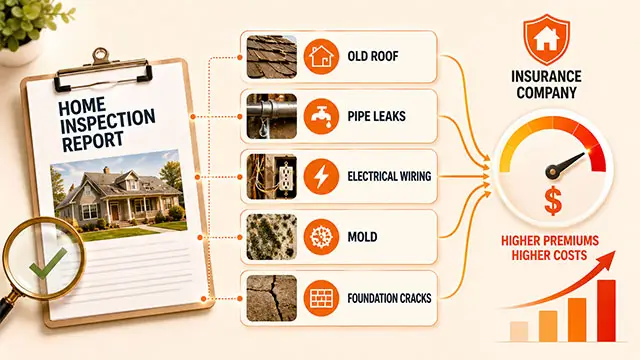
And unlike public real estate listings, home inspection reports often include information buyers never see elsewhere, including:
- Roof condition and estimated age
- Foundation cracks or structural concerns
- Plumbing and electrical issues HVAC system condition
- Mold, water damage, or environmental hazards
- Safety defects and deferred maintenance
That information is extremely valuable to insurance companies, mortgage lenders, contractors, warranty providers, and property data brokers.
The Concern: Could Inspection Data Be Used Against Homeowners?
Here’s where the debate becomes controversial. Traditionally, home inspection reports were considered relatively confidential — typically shared only between:
- The buyer
- The home inspector
- Real estate agents involved in the transaction
- Sometimes the seller
But many modern inspection platforms now operate as cloud-based software companies.
That means reports may be stored digitally, aggregated, analyzed, or shared under certain terms of service agreements.
Consumer advocates argue this creates a loophole.
Instead of profiting primarily from inspections themselves, critics believe some firms may ultimately profit from collecting and monetizing property-risk data at scale. If insurers gain access to detailed inspection information, homeowners worry it could lead to:
- Higher insurance premiums
- More denied claims
- Coverage restrictions
- Mandatory repairs before policy approval
- Reduced property valuations
For example, if an inspection report reveals an aging roof or outdated electrical system, an insurer could classify the home as higher risk — even if the buyer was already planning repairs.
In high-risk states already dealing with insurance crises, even small property details can dramatically affect premiums.
Why Private Equity Is Interested
Private equity firms typically invest in industries with predictable long-term revenue and valuable data assets.
Housing generates both.
Every home sale creates a large amount of information:
Property condition
Buyer demographics
Loan details
Insurance history
Maintenance needs
By consolidating inspection platforms and companies, investors gain access to large datasets tied directly to real estate transactions.
That data can potentially be packaged for:
Risk modeling
Insurance underwriting
AI-driven property scoring
Mortgage lending analytics
Predictive maintenance services
In other words, the inspection may be the entry point — but the long-term business could be the data ecosystem surrounding the home.
Are Home Inspection Reports Actually Confidential?
The answer depends on:
State laws
Your inspection agreement
The software platform being used
The company’s privacy policy
Some agreements may allow anonymized or aggregated data sharing.
Others may contain broad language about third-party partners, analytics, or service improvements.
Many buyers never read these terms carefully during a fast-moving real estate transaction.
That’s why consumer advocates recommend:
- Asking inspectors how data is stored
- Reviewing privacy policies before signing
- Requesting limits on report sharing if available
- Keeping copies of agreements and disclosures
Could This Affect the Housing Market?
Potentially. If detailed inspection data becomes widely accessible across insurers and lenders, it could change how homes are priced, financed, and insured.
Older homes in particular may face:
Higher ownership costs
More underwriting scrutiny
Increased repair requirements
At the same time, supporters of data-sharing argue it improves transparency and risk assessment, potentially helping prevent fraud and underinsured properties.
The debate is likely to grow as insurance costs continue rising across the United States.
Final Thoughts
There is currently no public evidence that all inspection companies are improperly selling private reports directly to insurers.
However, the rapid consolidation of the industry — combined with broad software data policies — has sparked legitimate concerns about who ultimately controls sensitive property information.
For homebuyers, the key issue may no longer be just the condition of the house.
It may also be who owns the data describing it.
Disclaimer:
This article is for informational and educational purposes only and does not constitute legal, financial, insurance, or real estate advice. Privacy laws and inspection practices vary by state and company. Readers should review all contracts, terms of service, and privacy policies carefully before sharing inspection data.

Hi, I'm Chelsea Parker, a globetrotter, storyteller, and life enthusiast with a knack for turning everyday experiences into unforgettable lessons. From surviving $20-a-day adventures in Southeast Asia to mastering mindfulness in my daily routine, I share relatable and entertaining tales that inspire you all to explore, grow, and thrive. When i'm not writing, you may find me chasing sunsets, savoring street food, or dreaming up my next big adventure.

You May Like